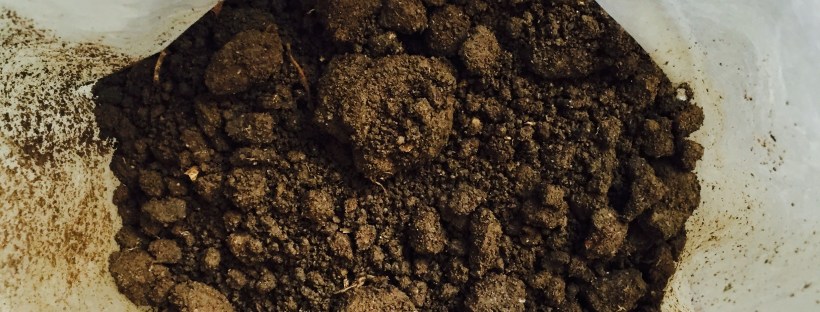
Returning to the dirt…

This is my version of the obligatory “It’s been quite a while since I’ve posted,” post. The past few months have been far from optimal for me. The loss of my grandmother this summer and the more recent unexpected loss of a close friend have tremendously impacted me and many of the people in my social and familial circles. As such, I’ve taken more time away from dorodango than I would have anticipated given my activity with it earlier in the year.

Today I’m pleased to report that I’ve resumed work on this project. Of the many ways I might otherwise express creativity, dorodango has a unique mixture of dedication, patience, and physical craftsmanship that are singularly rewarding to me.

UPDATE! I recently took an opportunity to travel west to California for the purposes of visiting friends and family. While there I (finally) presented the dorodangos Simi and Kingsbury to their respective owners. The reception to these peices was better than I could have expected. The recipients were uniformly amazed that something so out of the ordinary could have come from their back gardens. Along with the dorodangos I was happy to present my new “Dorodango Care and Feeding Guide”. More on that next time.

Thank you for visiting my site. I’m currently working on more dorodango, an infographic, and a Patreon where people can donate to support my art. If you have any questions about dorodango or would like to commission a piece please feel free to contact me at dustin@dorodangoman.com.


Peace

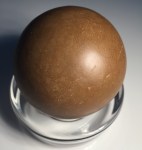
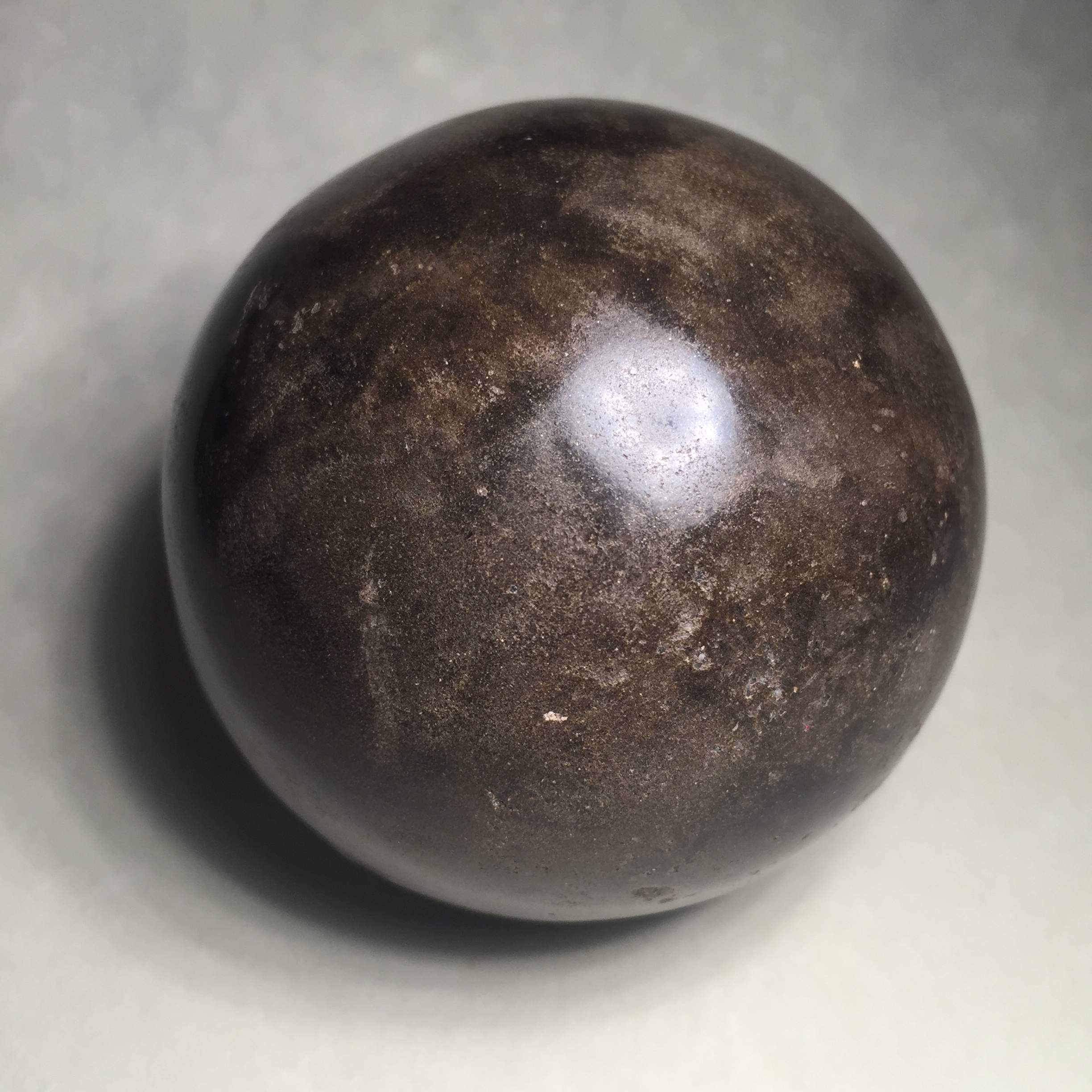
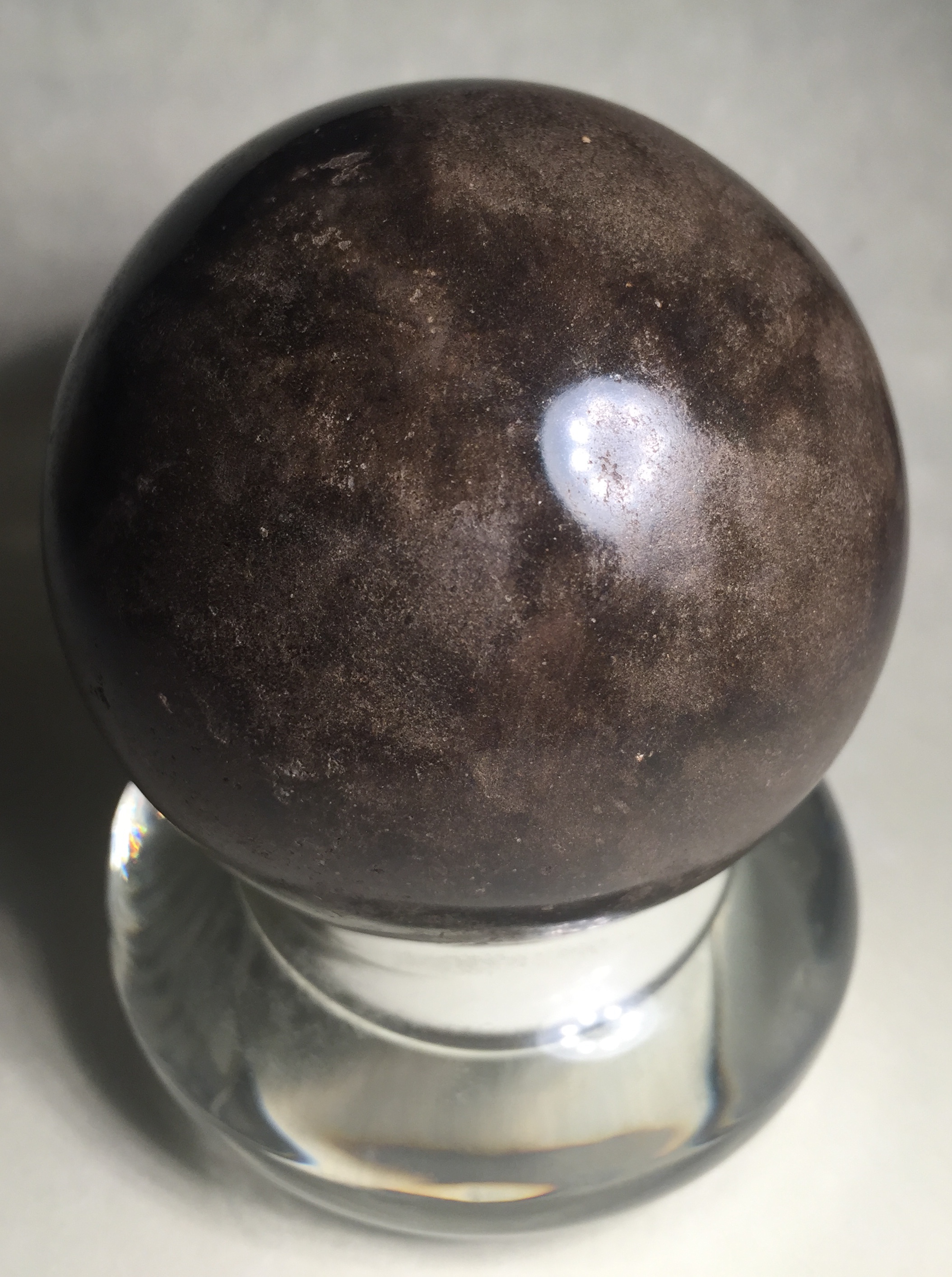
Peace is the name for this, my seventh completed dorodango. I carefully stipulate “completed” here because along the way were two failed attempts in which nearly finished dorodango were destroyed by complete fault of my own. The first shattered during its final polish and couldn’t be saved. Much like its predecessor, the second was undergoing a late stage roundness adjustment (never a good idea) when cracks suddenly appeared. The entire dorodango sheered into six pieces in my hand as I was rolling it on a smooth glass surface. I wasn’t exerting full pressure on it. Why had it broken so completely? I wondered. I saved the pieces, still spherical, tightly wrapped in a bag. As of yet I have not thought of a good way to save them and will likely return them to use as source in a future piece.

Failure is a common and frequent component of the artistic process. Rather than getting upset about the breakages or the loss of many hours of effort, I found myself caught up into why this had happened two times on the same piece and never in the previous six. My tools had changed slightly but not enough to seem significant. The force I used had been normal. I hadn’t been hurried or careless. What was different?

This dorodango is dedicated to my grandmother Nora. Her wit, honesty, unfaltering positivity, and countless individual joyous moments have been a tremendous influence to me throughout my life. Surrounded by her children, grandchildren, and friends, Nora died on June 16, 2015. In the aftermath and with the help of my family, I collected dirt from the flower bed she treasured, from her back yard where grandkids used to play, and later from her final resting place. “Peace” is the first of several I’ve committed to creating for our close family. These dorodango will serve as remembrances and a connection to the land where we used to have so many good times. Dorodango can be more than just an art object.

So, what had happened here? I’ve come to believe the significant detail is the mixture of disparate soils, mixed when wet and formed into one object then dried by gradual removal moisture, adhere more tenuously to one another than homogeneous soil. I would not be surprised if there are exceptions given the sheer variety of soil types and ratios that could be used to combine them. But, from my experience, mixing soil in this way weakens the final product. Greater care has to be taken when working with soil combinations and the finished product may have limitations to how far it can be pushed.

Armed with this idea I cracked on with number seven, take three. This ‘dango is a 50/50 mix of red clay from the grave site and dark fertile soil from her flower bed. During the process I started to notice the sponginess of the material during it’s early wet phase. I took care to get the initial shape as spherical as I could because I knew there would be no safe way to adjust it later. I noticed the slower than normal drying time. I carefully limit the pressure I used in the final stages. This time there was no breakage.

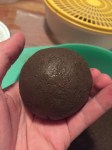
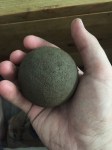
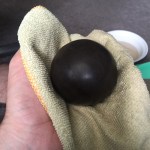
I’m pleased with how this dorodango turned out. Its final form seems to have a certain strength of character (forgive the anthropomorphism) although it lacks the high specularity of some previous pieces.

Sunday, July 26th, after nearly thirty hours of effort I was very happy to finally present “Peace” to my cousin Blake in celebration of the bond he shared with our grandmother. She will be missed.

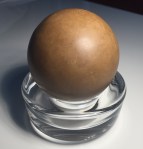
Kingsbury, #6

After a hectic last couple of weeks I’m happy to settle in and start a new dango. “Kingsbury” will be number six overall and the final of my California trilogy. Its soil was collected from a clay rich garden plot at my aunt and uncle’s home in the San Fernando Valley. I’m three days into the process now and so far its been a soft, spongy challenge. A dorodango is really sensitive during the early days and can only be worked for a short time before resting to dry. Here’s a quick (and dirty) run down of the first three days:

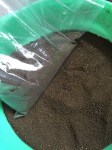
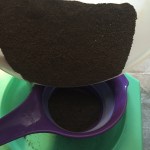
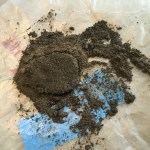
The first day is spent sifting, mixing dirt and water, and forming a palm-sized sphere. Using water and corse dirt I form a cake of mud and work with it until it’s able to hold itself together. I tend to err on the side of adding to little water and increasing slowly to get an even consistency. I passing the cake from palm to palm and start to form the sphere. Any large folds, pits, and flats are worked out and the ‘dango gets hung in a clean plastic shopping bag which will be it’s home for the next week to ten days. Hanging allows the ball to retain it’s shape and the bag keeps the dorodango surface moist as core begins to solidify. Day one ops usually take about two hours.

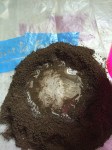
The most important lesson for day two is to work the ‘dango just enough to improve the shape without doing damage. The ball is still soft and does not respond well to force (do not taunt happy dirt ball). Moving the ball from hand to hand, I coat the surface with sifted dirt and focus on uniformity. Sometimes a dorodango is in really bad shape (too much water) and day two is the last chance I have to smash it and reform without losing progress. I do my best to get the sphere looking right, dust with more dirt, and bag it for another day. I tend to work for about an hour on day two.

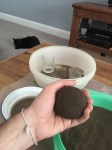
By day three the dorodango should be drier and easier to work with. I continue smoothing and shaping carefully by hand and start working more finely sifted dirt into the surface. The last adjustments to the shape should be done now before the core is completely rigid. Any major corrections usually result in surface cracks but these can be filled by adding small amounts of water to the surface and coating evenly with dirt particles. The particles gradually lock themselves into cracks causing them to disappear. I repeat as needed until the ball is free of cracks and spherical by sight and touch. I bag it once more and allow it to rest for a day.

Simi Valley

Simi in the round

I honestly never know how these things are going to turn out. After a shaky start (I literally flattened it on day two) this one just kept getting better.

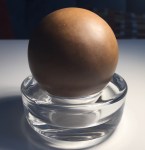
Dorodango #5, aka Simi Valley is a gift for my wife’s father Duane and his lovely wife Jana. We had a chance to visit their home this March and they graciously humored me when I asked to collect some dirt from their back garden. Thanks guys! I’m looking forward to delivering it personally on our next visit.

By all measures Simi was my quickest piece with a working time of just ten hours and a start-to-finish of seven days. I’ve learned of techniques that could accelerate this but for now I’m satisfied with the pace, which felt natural and didn’t interfere with work or other responsibilities.

As demand increases I’m going to have to start thinking about things like shipping, packaging, and writing a ‘care and feeding of dorodango’ guide. This could get interesting.

Simi

Simi Valley Preview

I’ve been working on dorodango number five since Friday, aka “Simi Valley”. It’s been a rough week otherwise but working on dorodango seems to help. Simi is in its final stages and won’t be ready for a few more days but I thought I would share a few photos from the process.